

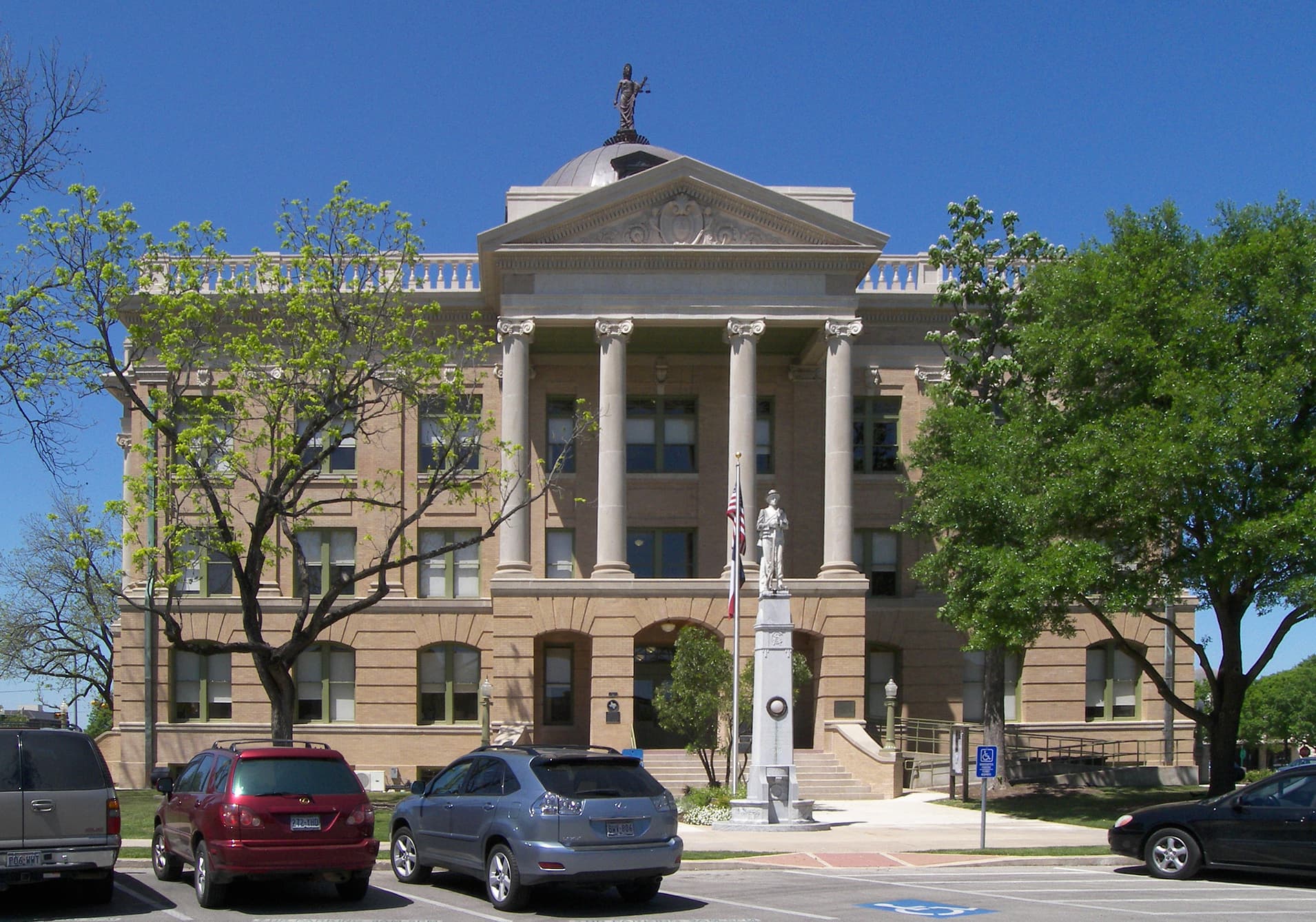
If Williamson County is on your shortlist, start with one practical fact: two homes can share the same mailing city and still have different school districts, utility providers and tax bills. That is why a countywide moving guide has to begin with the exact address, not a city label.
Georgetown's downtown square, Cedar Park's US 183 corridor, Liberty Hill's expanding subdivisions and Taylor's historic center all create different daily routines. The useful question is not whether Williamson County is a good place to move; it is which address fits the way you actually travel, spend and live.
Start with the map, not the listing
Williamson County sits immediately north of Travis County and Austin. I-35 runs through the middle of the county, US 183 and 183A serve much of the west, and SH 130 provides another north-south route through eastern WilCo. Georgetown is the county seat, while Round Rock, Cedar Park, Leander, Liberty Hill, Hutto, Taylor and Jarrell are among the communities newcomers compare.
City limits, county lines and ZIP codes do not always line up neatly. A mailing address alone does not answer every question that matters to a move, so use the exact property address when you verify schools, utilities, taxes, flood exposure and local services.
Which Williamson County community fits your life?
There is no single best place to live in Williamson County. Compare each community by the road you will use, the services you need nearby and the tradeoff you can live with.
- Round Rock. The I-35 and SH 45 connection, Round Rock Premium Outlets and a large parks system make daily errands and recreation easy to reach. The tradeoff is a more built-out suburban feel and busy highway corridors.
- Georgetown. The historic courthouse square and San Gabriel River trails give the county seat a clear center and nearby outdoor options. The tradeoff is that a commute toward Austin or Cedar Park can become a long recurring drive.
- Cedar Park. The US 183 corridor puts medical services, restaurants, parks and established neighborhoods near many homes. The tradeoff is that 183A tolls and congestion can become part of the regular household budget.
- Leander. The 183A corridor and CapMetro's Red Line give some residents north-south options, while newer subdivisions continue to expand around older parts of town. The tradeoff is ongoing construction and a daily routine that may depend on one crowded corridor.
- Liberty Hill. New construction, larger lots and rural acreage sit alongside a small-town core. The tradeoff is that many shopping, medical and service trips require driving into neighboring cities.
- Hutto. Its downtown, newer neighborhoods and access to SH 130 suit buyers who want an eastern WilCo location. The tradeoff is less direct access to the western county's established amenities and Austin's central destinations.
- Taylor. The historic downtown and older housing stock give Taylor a more independent identity than the county's large western suburbs. The tradeoff is a smaller local service base, so some medical, shopping and entertainment trips take planning.
- Jarrell and northern WilCo. The I-35 corridor, newer subdivisions and open land can appeal to buyers seeking a quieter setting. The tradeoff is distance: many major commercial and medical centers are a substantial drive away.
Treat the commute as a real-estate feature
A home can look close to Austin on a map and still create a demanding daily commute. I-35 is the county's main north-south route, western residents may use US 183 or the tolled 183A corridor, and eastern residents may rely on SH 130 or local roads. Congestion and travel times can change sharply by time of day.
Drive the actual route during the hours you would normally travel, in both directions, and on more than one weekday if possible. Add the routes to school, childcare, groceries, medical care and after-school activities. A neighborhood's entrance road can affect daily life almost as much as the nearest highway.
Tolls belong in the calculation. The 183A Toll Road runs through Cedar Park and Leander, and electronic toll tags generally cost less than pay-by-mail billing. Check current rates before you build a monthly transportation budget, because frequent use can become a meaningful expense.
Public transportation is more limited than in a major urban center. CapMetro's Red Line connects downtown Austin with northern destinations including Lakeline and Leander, but it is not a countywide solution. It is most useful when the station, schedule and last-mile connection match your routine.
Do not assume the school district from the mailing address
Williamson County is served by multiple public school districts, including Georgetown, Hutto, Jarrell, Leander, Liberty Hill, Round Rock and Taylor, along with smaller and neighboring districts. City limits, mailing addresses and attendance boundaries do not line up neatly, so a city name is not enough to identify a school's assignment.
Before signing a lease or contract, verify the assigned elementary, middle and high school directly with the district. Ask whether boundaries or new campuses are under review, confirm transportation eligibility, and check where specialized academic, special education or extracurricular programs are offered. Real-estate listings can be outdated; the district should be your final source.
Compare the full property-tax picture
Texas does not levy an individual state income tax, but property taxes are a major part of the cost of owning a home. A Williamson County tax bill may include the county, a city, a school district and one or more special districts. Two similarly priced homes can therefore carry noticeably different annual bills.
Newer communities may be served by municipal utility districts or other special taxing districts that help fund infrastructure and services. Do not rely only on the seller's current tax bill, because exemptions, prior appraised-value limits and ownership history can make it different from what a new buyer eventually pays.
Look up the specific property through Williamson Central Appraisal District, review its taxing entities and exemptions, and ask for a realistic estimate based on your expected purchase price. Eligible homeowners should also learn about the Texas residence homestead exemption and apply through the appraisal district; the application itself is free.
Utilities are address-specific, too
Water, wastewater, electricity, trash, recycling and internet service can vary by city, subdivision and even street. A home within a city's mailing area may be served by the city, a utility district, a water supply corporation or another provider.
- Ask for the exact providers and recent typical bills for the address.
- Confirm whether the property has city sewer or a septic system.
- Check internet availability and actual service speeds at the exact address.
For rural or acreage properties, investigate wells, septic maintenance, propane, road access, fire protection and deed restrictions before closing. These details can matter more than a home's distance from the nearest city center.
Plan for heat, storms and the everyday climate
Central Texas summers are long and hot. Air conditioning is essential, outdoor plans often shift to mornings and evenings, and summer electric and water bills can climb. Shade, insulation, window exposure and HVAC age all matter when you evaluate a home.
Severe thunderstorms, hail, flash flooding and occasional tornado warnings are part of life here. Winter is usually mild, but hard freezes and ice events happen. Ask about drainage and flood history, learn whether pipes and irrigation systems are protected, and review insurance coverage carefully.
Cedar pollen is another adjustment for many newcomers. Grasses, molds and other allergens can cause problems at different points in the year, so a home visit in a different season may reveal something a quick showing does not.
What daily life looks like in WilCo
One of the county's strengths is that residents do not have to travel into Austin for everything. Williamson County has hospitals and medical offices, libraries, recreation centers, youth sports, live entertainment, restaurants, farmers markets and growing downtown districts.
Outdoor options are especially strong. The Brushy Creek Regional Trail, San Gabriel River trails, Lake Georgetown, county preserves and large city parks give residents places to walk, bike, fish, paddle and play. Austin remains close enough for the airport, major concerts and museums, but depending on where you settle, many ordinary weeks can stay entirely within Williamson County.
The surprises newcomers underestimate
- The county is large. Georgetown and Cedar Park are both in Williamson County, but they do not feel close when you make the drive several times a week.
- Growth means construction. New roads, schools, retail centers and neighborhoods are common, so look at planned development around a property, not only what is there today.
- Your address does not tell the whole story. Confirm the county, city limits, school district, utility providers and taxing entities for the exact property.
- HOA rules vary widely. Review restrictions, fees, amenities and financial documents before buying, and check deed restrictions when there is no HOA.
- The direction of your commute matters. A shorter distance on the wrong road can be harder than a longer trip with a direct route.
A before-you-move checklist
- 1Verify school assignments directly with the district.
- 2Look up the property and taxing entities through Williamson Central Appraisal District.
- 3Check internet service and actual speeds at the exact address.
The bottom line
Williamson County works for many different kinds of households because its communities are genuinely different. Compare exact addresses rather than city names, and verify current rates, boundaries, fees, transit schedules and utility providers before you choose the place where your daily routine will work.